



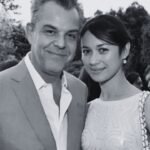


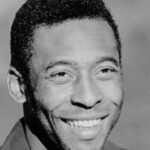


| Full name | Lloyd Vernet Bridges Jr. |
|---|---|
| Born | January 15, 1913, San Leandro, California, U.S. |
| Died | March 10, 1998, Los Angeles, California, U.S. (aged 85) |
| Nationality | American |
| Profession | Film, stage and television actor |
| Known for | Sea Hunt, Airplane!, Hot Shots! |
| Parents | Lloyd Vernet Bridges Sr. and Harriet Evelyn (Brown) Bridges |
| Spouse | Dorothy Bridges (m. 1938; his death 1998) |
| Children | Beau Bridges, Garrett Myles Bridges, Jeff Bridges, Lucinda “Cindy” Bridges |
Lloyd Bridges was one of American entertainment’s most adaptable figures. He built a credible reputation as a dramatic leading man in the late 1940s and early 1950s, survived a brush with the Hollywood blacklist, became a household name through television, and then, decades later, rediscovered his audience through deadpan comedy. By the time he died in 1998, he had appeared in more than 150 feature films and left behind one of Hollywood’s most enduring acting families.
From San Leandro to the Stage
Lloyd Vernet Bridges Jr. was born on January 15, 1913, in San Leandro, California, to Lloyd Vernet Bridges Sr. and Harriet Evelyn (Brown) Bridges. His father worked in the California hotel business and at one point owned a movie theater — an early and formative connection to the entertainment world.

Bridges began his professional acting career in the mid-1930s, a span that would eventually stretch across more than six decades. He worked in film, stage, and television, and his range across all three formats set him apart from actors who stayed tightly within one medium.
Leading Man Years: Drama and Early Hollywood Credibility
Through the late 1940s and into the early 1950s, Bridges earned recognition as a leading man in gritty dramatic roles. He appeared in Home of the Brave (1949) and High Noon (1952), placing him alongside some of the most significant film talent of the era. These were serious, physical performances that established him as a man of action on screen rather than just a handsome face.

His total filmography eventually surpassed 150 feature films — a figure that reflects not just longevity but a consistent work ethic across very different chapters of American cinema. That body of work earned him a star on the Hollywood Walk of Fame, which specifically cites both his extensive film career and his role in Sea Hunt.
The Hollywood Blacklist and a Career Interrupted
In 1953 and 1954, Bridges was briefly blacklisted after acknowledging past Communist affiliations. It was part of the broader Hollywood Red Scare, a period in which careers were damaged or ended based on political associations, real or alleged.

His blacklisting was short-lived. It did not permanently derail his career, and framing it as career-ending would misrepresent the facts. Within a few years, he had moved into one of the most successful runs of his professional life. The episode is worth noting as a moment of genuine professional risk, but it is ultimately a chapter he recovered from, not one that defined him.
Sea Hunt and the Making of a Television Star
From 1958 to 1961, Bridges starred as Mike Nelson, a former U.S. Navy frogman, in the syndicated television series Sea Hunt. The show was ranked the top American TV series in 1958. At a time when television was still finding its footing as a cultural force, Sea Hunt made Bridges a genuine household name.

The role suited him well. He was physically commanding, believable in action sequences, and could carry an episode largely on his own authority as a performer. Week after week, viewers tuned in to watch Mike Nelson navigate underwater dangers, and the consistency of that performance across four seasons built the kind of audience loyalty that was rare even then.
Sea Hunt remains the role most immediately associated with his name. His Hollywood Walk of Fame star references it directly, alongside the broader scope of his film work — a recognition that the role mattered not just commercially but culturally.
Reinvention Through Comedy: Airplane! and Hot Shots!
By the time Airplane! arrived in 1980, Lloyd Bridges was 67 years old and had been a professional actor for more than four decades. His appearance in the film — playing a deadpan, increasingly unhinged air traffic controller — marked a deliberate and successful shift into parody. The film became a comedy classic, and Bridges’ performance was a significant part of why it worked. He played the absurdity completely straight, which made it funnier.

His appearance in Hot Shots! (1991) continued in the same vein. The willingness to poke fun at the kind of square-jawed authority figure he had embodied in earlier decades showed a self-awareness that audiences responded to warmly. He remained professionally active through both films and continued working until his death in 1998.


The transition from serious leading man to beloved comedic character actor is not something every actor manages gracefully. Bridges managed it with apparent ease, and the late-career comedy work introduced him to audiences who had been born long after Sea Hunt went off the air.
The Bridges Family
On October 14, 1938, Lloyd Bridges married Dorothy Louise Simpson at the Little Church Around the Corner in New York City — a venue so closely associated with the theatrical world that it was known as the “actor’s church.” Their marriage lasted nearly six decades, until his death in 1998.
Together they had four children. Beau Vernet Bridges, born December 9, 1941, in Los Angeles, became an accomplished actor in his own right with a long career in film and television. Jeff Bridges followed his father and brother into acting and went on to become one of the most celebrated American actors of his generation. Lucinda “Cindy” Bridges pursued a path as an artist. Garrett Myles Bridges was also among their children.

The family’s creative legacy extended into the next generation as well. Lloyd’s grandson Jordan Bridges, through Beau, also became an actor — a third generation carrying forward what Lloyd and Dorothy built.
Dorothy Bridges was more than a supportive spouse. She was an actress and writer in her own right, and by most accounts the family’s artistic sensibility was shaped by both parents in equal measure. She survived Lloyd by more than a decade, dying in 2009 at age 93.
For anyone interested in how values and creative identity pass from one generation to the next in a working family, the Bridges story is worth studying. Resources on family success patterns and the dynamics of multi-generational careers — like those explored at ceosuccessmodel — offer useful context for understanding how families like the Bridges built lasting legacies.
Death and Legacy
Lloyd Bridges died on March 10, 1998, in Los Angeles at the age of 85. He had been battling pancreatic cancer, and his death was attributed to congestive heart failure.

He left behind a career that resists easy categorization. He was, at various points, a serious dramatic actor, a blacklisted performer, a television adventure star, and a comedy character actor. Each phase was genuine, and each found its audience. The 150-plus films, the Hollywood Walk of Fame star, the defining run on Sea Hunt, and the late-career comedy work are all part of the same unbroken line of professional commitment.
What endures most, though, may be the family he and Dorothy raised. Beau and Jeff Bridges became two of the most respected actors of their respective generations, and the family’s artistic output across multiple generations speaks to something that went deeper than professional ambition. Lloyd Bridges spent more than 60 years in front of cameras and audiences. He was good at it, and he kept getting better.